

This is the first in a series of pieces about various common sense questions that nobody bothered to ask about the OceanGate / Titan tragedy.
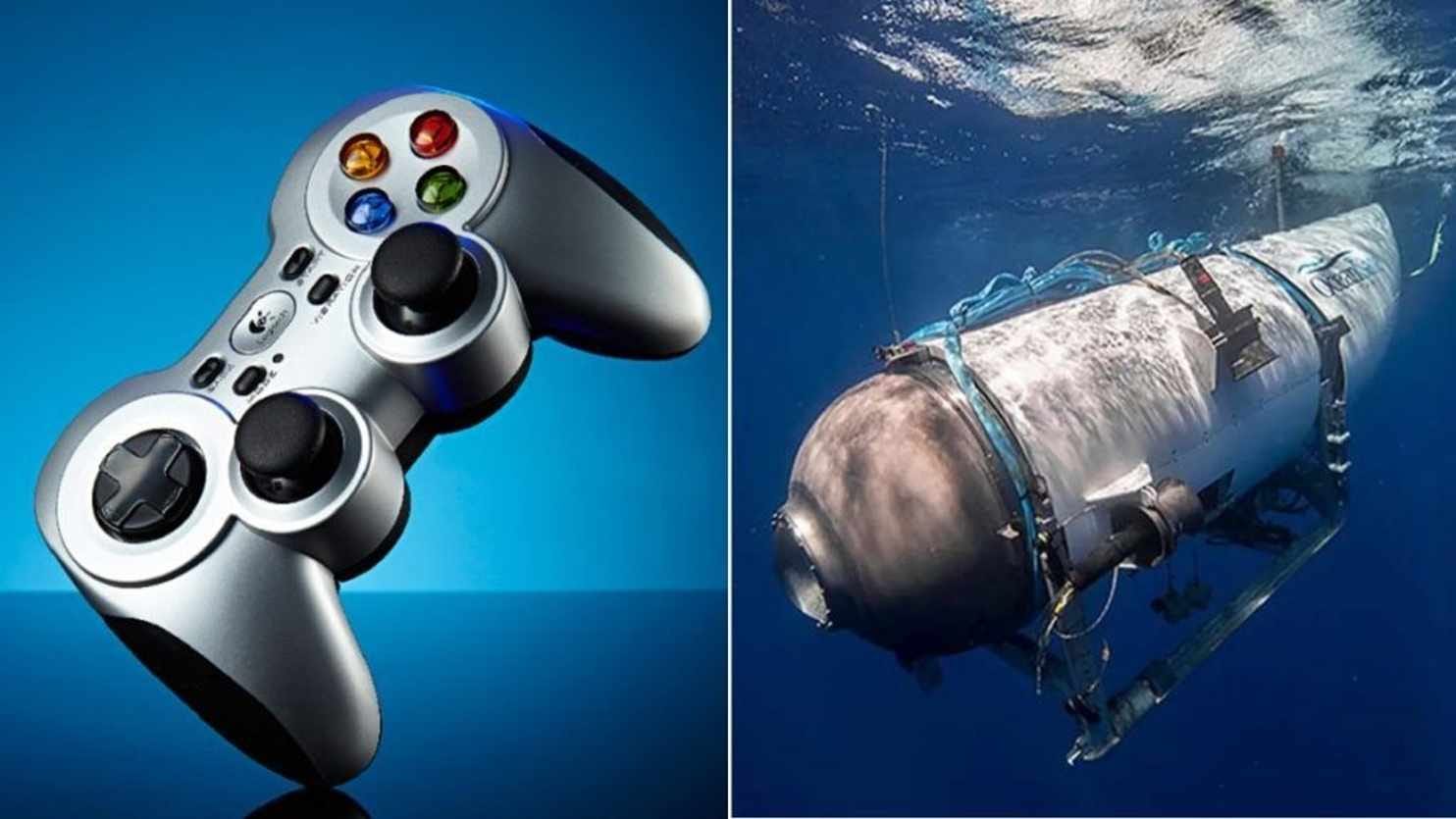
What is the one thing everyone seems to remember about the OceanGate accident? The video game controller!
You cannot forget the infamous video of Stockton sitting in the sub with a journalist and tossing him the controller like it is a toy.
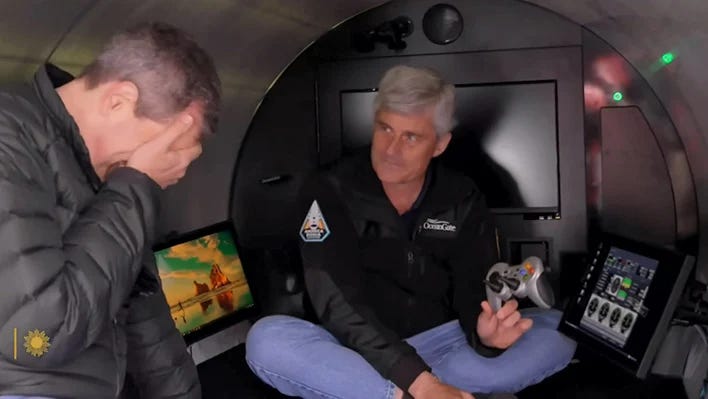
However, no one–no journalist, no investigator, no expert–ever bothered to ask the most obvious common sense question: what did the video game controller actually control?
It was almost like this was the world’s most closely held secret. No one asked, but I am going to tell you:
the video game controller controlled the thrusters.
That is correct. The thrusters.
Not any mission-critical system. Not the oxygen that is keeping the crew alive. Not the carbon dioxide scrubber that is keeping them from suffocating. Not the ballast system that brings them safely to the ocean floor and back to the surface.
No. The thrusters.
Which, of course, leads to the next obvious common sense question: what the heck are the thrusters?
Well, to understand the thrusters you have to remember that submersibles are designed to do only two things: go down and come back up. Just like an elevator.
This means that if you want to do anything else while you are at the bottom of the ocean, like, for example, heading over to take a look at a large 100-year-old shipwreck, then you need to have a way of moving around.
To do this, we strap a bunch of motors to the outside of the sub, each with little propellers. These propellers are controlled from the inside of the sub, and that is how we make the sub go forward, backward, left, and right.
Do you know what happens if the thrusters fail? Nothing. Absolutely nothing.
You go down. You spend some time enjoying the bottom of the ocean. Then you come back up. That is it. At no point is anyone’s life in danger. It may be a boring ride, but at least the crew will survive to dive another day.
Why Use a Video Game Controller?
So ... why use a video game controller to control the thrusters?
Well, let me ask a different common sense question that no one ever asked because they were too busy laughing at OceanGate for using a video game controller to control the sub: what would you use instead?
Since most people had never even heard of a sub, they had never really thought about how it might be controlled. Maybe a steering wheel, like a car? Maybe a yoke, like an airplane? Whatever you imagined, you just never envisioned that it would be by a video game controller, right?
What Came Before the Video Game Controller?
When Stockton and I bought our first sub, it came with a state-of-the-art customized thruster control system. I wish I had a photo to share with you because it was absolutely insane. I worked with Claude to create a top-down view. Yes, it is comical, but it is also frighteningly accurate!
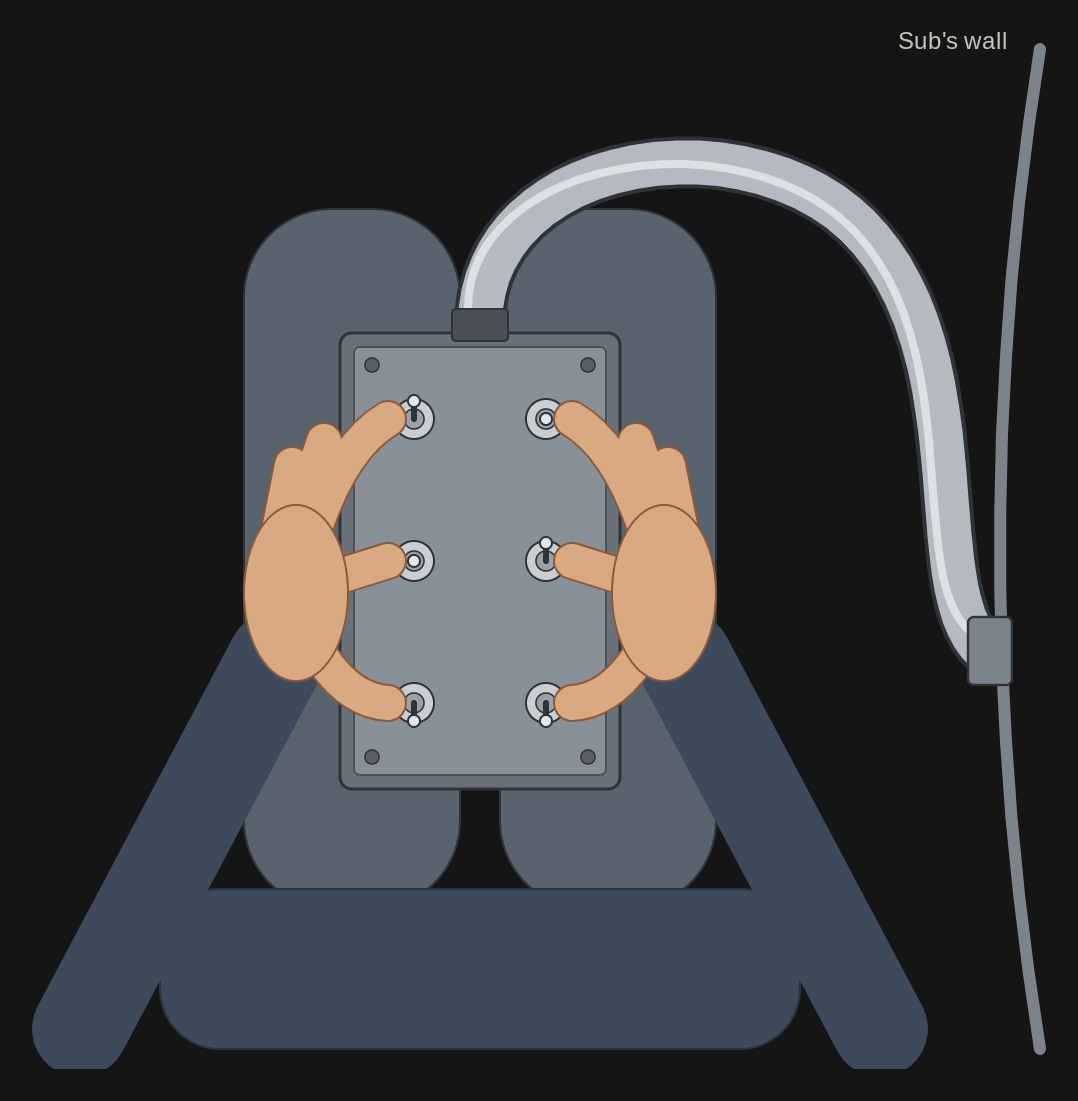
Imagine a steel shoe box that weighed around five pounds. On one end it had a cable sticking out that was the thickness of a garden hose, and that cable was connected to the inside wall of the sub. On the top surface of the box were six 3-position toggle switches, one for each of the thrusters on the outside of the sub. Each thruster could go forward, backward, and neutral, hence the three positions on the toggle switches.
Now imagine that you are a sub pilot sitting in the middle of that vessel. You have to sit with that heavy steel box in your lap, carefully keeping both hands on either side of the box while always keeping three fingers on each of the three switches on each side. So six of your ten fingers are always on a switch, each controlling a different thruster. In order to move the sub in any direction, you had to imagine what you wanted each thruster to do and then manipulate the switches accordingly.
For example, if you wanted the sub to move forward, you would have to flip the switches to the two left and two right horizontal thrusters into the “forward” position. If you then wanted to turn left, then you had to flip the two left horizontal thrusters into “neutral” while keeping the two right horizontal thrusters in “forward”.
That is how you would have had to pilot our first sub. All while keeping this heavy steel box carefully balanced on your lap and managing the garden hose cable connecting you to the side wall.
This is “SAFE”?!?!?!
By the way, in case it was not clear already, this meant that you had no hands free to deal with other non-thruster activities like working the navigation sonar or making sure the life support systems were keeping everyone alive.
This was the state-of-the-art thruster control when we first got into the industry in late-2009. This was what was approved by the American Bureau of Shipping as part of our sub’s “class” certificate, which presumably proved to the world that our sub was “safe.”
If the box broke or malfunctioned in any way, then we had to hire an electrical engineer to come in and fix it, even if the malfunction happened during a dive at the bottom of the ocean. And, spoiler alert, these controls broke all the time.
Stockton and I were shocked that this was the level of technology and safety that was accepted by the industry.
Thinking Beyond the Box
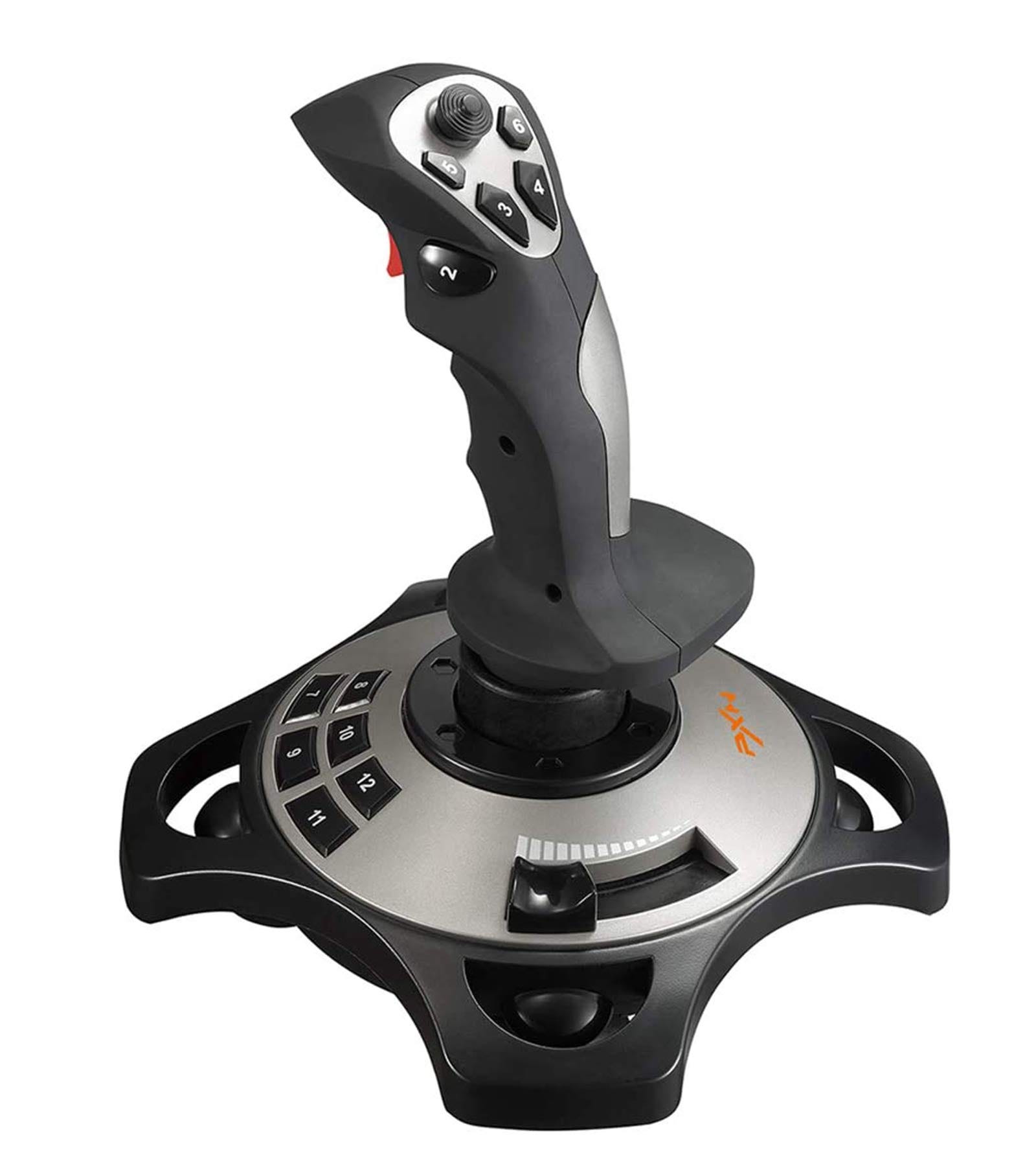
At one point, Stockton had the brilliant idea of rewiring that garden hose cable to a Microsoft Flight Simulator joystick (similar to the photo below), and guess what? It worked like a charm. It was far easier for the pilots to use, it was safer and cheaper, and it never broke at all. It was like magic.
The best part was that ABS accepted this as a “minor change” that was covered by our existing “class” certificate, which meant that this organization considered the new joystick controller to be “safe.”
From there, it was an easy progression to eventually move to the Logitech controllers, since they were wireless, light, and programmable. And ... Logitech designed them for active teenagers, so they were volume tested to make sure they never broke, which they never did.
The Tragedy of Unasked Questions
It was a tragic irony that what ended up being the core of the public criticism against OceanGate after the accident was actually one of the easiest design decisions we ever made in the entire history of the company. The whole debacle could have been avoided if someone–anyone–would have simply asked some basic common sense questions instead of instantly capitalizing on the cheap laugh to scoff at what seemed like a ridiculous idea … that actually was quite genius.
**************
That is eye-opening. Seems like a genius move to simplify it. Makes me wonder what military subs use. Hopefully not that giant box!